Voicing a plate before it's ever an instrument.
Pick a frequency and watch the plate's own vibration pattern appear — this is the real tap-tuning technique we use on every top plate before it's ever glued to a rib.
Fine material collects along the nodal lines — the places on the plate that barely move at all at that frequency — the same way it would on an actual bench.
A soundboard is a compromise between stiffness and mass, tuned by ear, by tap, and — increasingly — by watching exactly what the wood is doing.
Pluck a string, hear the physics.
Every note below is synthesized live from a real digital waveguide model, not a recording. Click or drag a string to pluck it.
Click a string, or drag it and release to pluck harder.
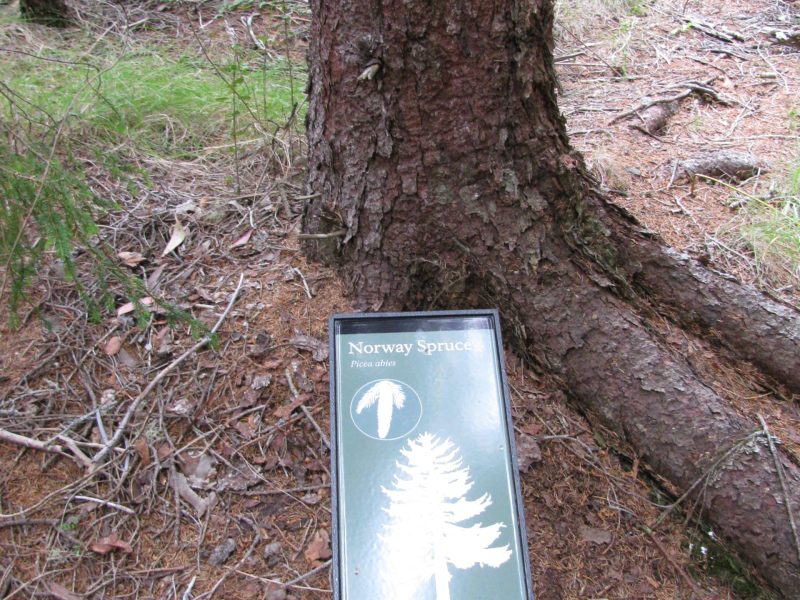
The woods we actually build with.
Recent commissions, spec by spec.
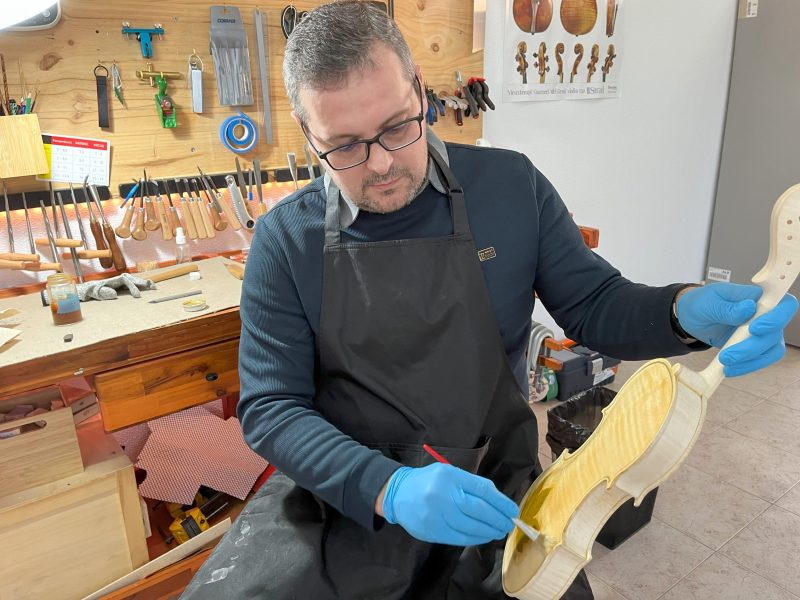
No. 47 — Concert Classical
A concert classical guitar built for a player who wanted more headroom in the treble without losing bass warmth.
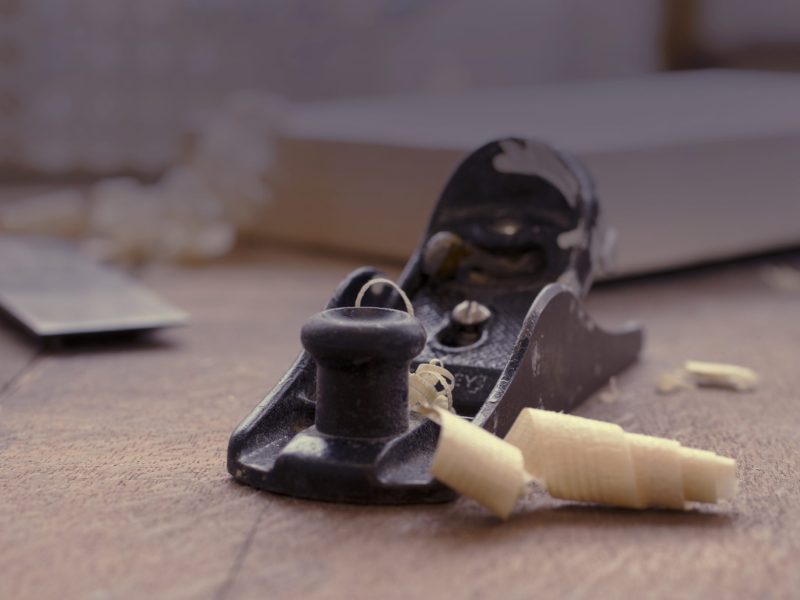
No. 51 — Steel-String Dreadnought
A dreadnought built for a working singer-songwriter who needed volume on stage without a pickup fighting a boomy low end.
No. 39 — Five-String Fiddle
A five-string fiddle for a bluegrass player who wanted the extra low C without the instrument feeling oversized.
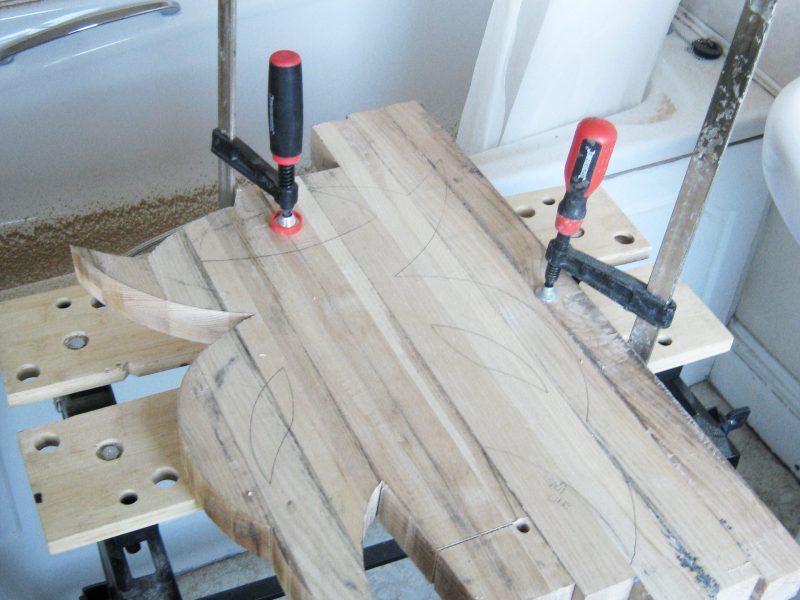
No. 44 — Parlor Guitar
A small-bodied parlor guitar built for fingerstyle playing on a porch, not a stage.
Notes from the bench.
What a Parlor Body Is Actually For
Why a smaller guitar isn't a compromise — it's a different tool for a different job.
Building a Fifth String Into an Old Design
What changes, structurally, when you add a low C string to a standard four-string fiddle body.
A Season Choosing Wood for No. 51
Notes on picking a specific top and back set for a specific player, not just a specific instrument type.
Why We Cap the Bench at Four People
The tension between wanting to build more instruments and wanting every one voiced by the same hands.